
Latest Posts
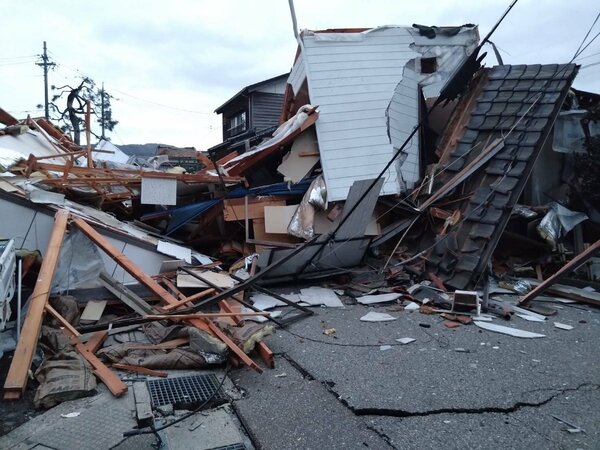
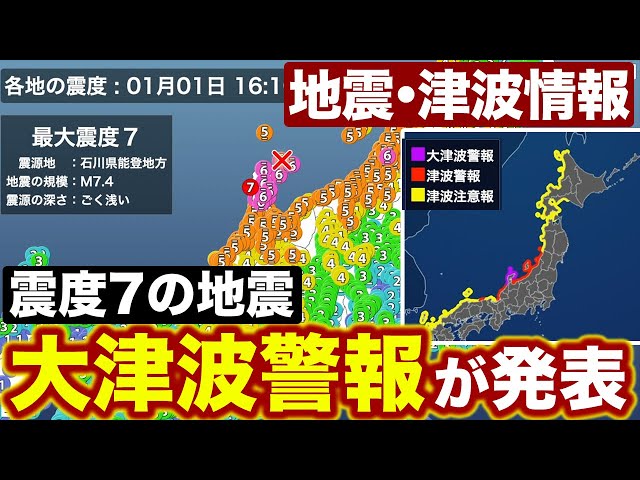
Earthquake & Tsunami in Ishikawa and surrounding areas
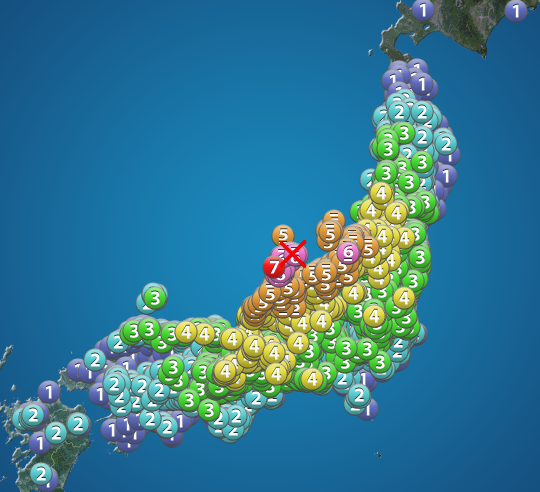
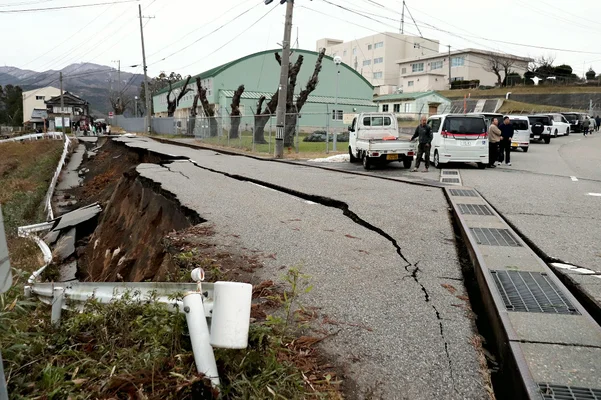
Please pray for the coastal areas of Central Japan along the Japan Sea, especially Ishikawa, Toyama, and Niigata prefectures. On New Years Day, a magnitude 7.6 earthquake hit the Noto Peninsula and triggered tsunami conditions all along the coast on that side of Japan.
Here are a few news links in English as of now, about 5 hours after the quake:
Multiple Christian disaster relief networks are coordinating to gather information about the damage and needs in the area. The situation is very dynamic and aftershocks continue, so churches and networks will decide on a course of action after things have stabilized. Also, we will wait for first responders to finish their rescue efforts and searches for survivors before beginning relief activities.
Reflect and Reconnect
REFLECT AND RECONNECT~ 10 Years This year as we approach the anniversary of the 3.11 Great Eastern Japan Disasters, and the response to that by the Christian community of the world, we would like to take some time to focus on and listen to the individuals who responded. We aren’t looking to go back and re-experience that time, but would like to look at where we are now, and how responding to the disasters has affected our lives. Our reunion this year, sponsored by the Heart Care Department, is designed to create a space for us to listen to each other answer these three questions.
The Questions:
- When and where did you work with CRASH? What was your role and what did you do?
- How has your life changed since then? Where are you now and what are you doing?
- How did responding to the 3.11 disasters affect your life? Looking back, what does it mean to you today?
Please watch your email for an invitation to join this reunion. Or be proactive and reply here. https://crashjapan.com/en/reunion/
Remembering and Recovering
The devastation from the Great Eastern Japan Earthquake and the subsequent tsunami and nuclear disasters ten years ago took a deep toll on the communities up and down the northeastern coast of Japan.
While people in the affected areas have grieved their losses, repaired or rebuilt their homes and businesses, re-established communities, and are going on with their lives as best they can, the recovery from that disaster is still actually ongoing. In one area the big road that was supposed to provide an escape route if another tsunami came is still under construction. In another area there are still a few evacuees who are not settled in permanent housing.
This month organizations all over Japan are preparing events to memorialize the ten year mark. Coming just one month before that anniversary, this earthquake has shaken people emotionally.
Pastors are reporting the distress of people in their communities. Many who have worked hard over the last ten years to overcome their trauma have found themselves again dealing with anxiety, stress, and flashbacks. After picking up the pieces of our lives, and working to return to order in the community, this quake has reminded everyone of how very vulnerable we are. The things that we take for granted, the order of our lives, the buildings and structures that we depend on for safety and comfort, all can become uncertain when the ground shakes.
Please join us in praying for healing and peace for these communities and individuals, and wisdom and safety for the pastors and missionaries who minister there.
Earthquake off the Coast of Fukushima
Last Saturday evening at 11:07 p.m. a magnitude 7.3 earthquake struck northeastern Japan. The focus was off the coast of Fukushima prefecture at a depth of 55 kilometers. This earthquake did not trigger a tsunami, and there have been no deaths reported. However, over 150 injuries have been reported across six prefectures. Close to a million homes lost power for several hours, and some areas are still having trouble with their water supply. Buildings, roads, electric poles and Shinkansen bridges have been damaged and one section of highway was destroyed by a landslide triggered by the earthquake.
Seismologists are saying that this earthquake is actually an aftershock of the 2011 Great Eastern Japan Earthquake that spawned the tsunami and nuclear disasters that followed. It is the strongest quake in this area since April 2011, and some people who lived through the 2011 quake report that they felt that this one shook even more than that one did. Dishes broke, books and objects were tossed about, furniture that was not secured was toppled, and for many, the feeling of safety that was beginning to be re-established after the devastation from 10 years ago was shaken, too.